One plant, four lines,
9,500 kg a day.
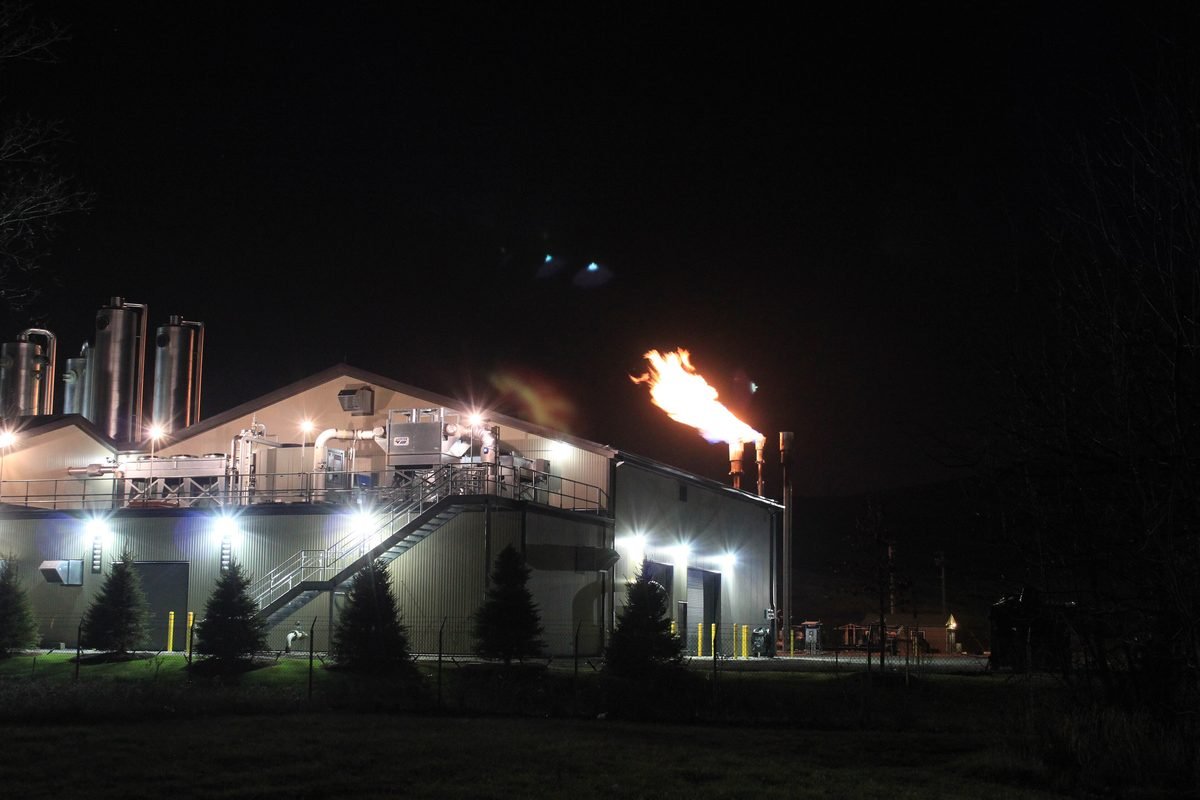
Everything collected on the network arrives at the EcoCycle Lagos Facility in Ojota, is weighed at the gate, graded in the inspection bay and routed to whichever line can take it. Nothing is paid for before it has been on the scale.
Step one
The weighbridge is the source of truth
A load arrives, the agent scans each batch tag, and the weighbridge reading is split across the batches on board. From that moment three separate things are decided by one number neither party entered.
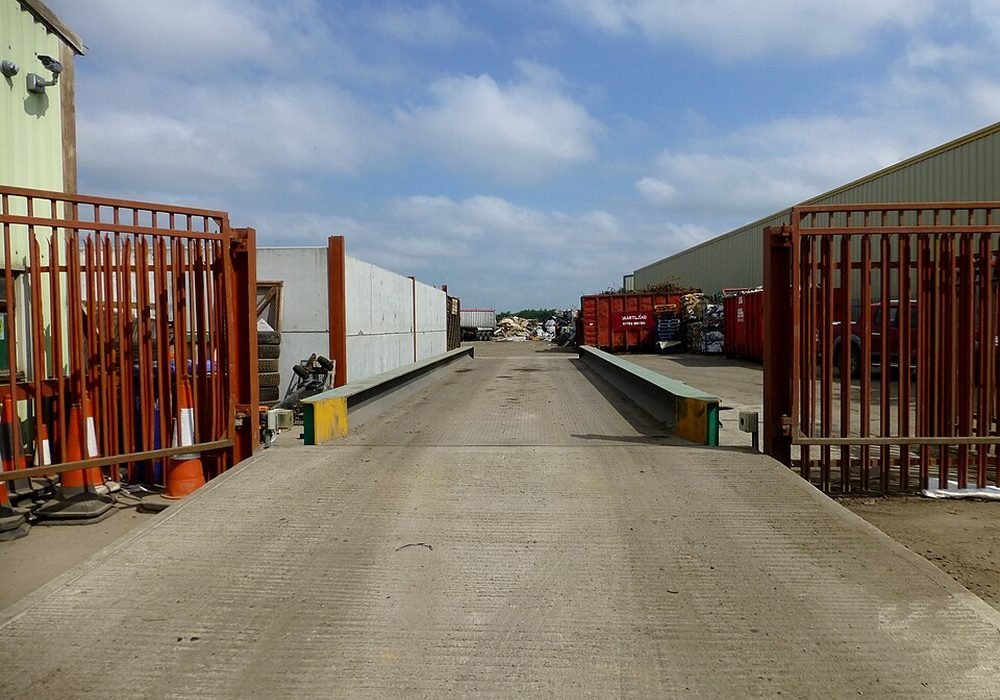
- Intake hours
- 06:00 – 18:00, Mon–Sat
- Weighbridges
- 2 inbound, 1 outbound
- Inspection bays
- 3
- Median wait at gate
- 52 min
- Tolerance before flagging
- ±5% against declaration
Anything outside that tolerance is logged against the agent's integrity score and surfaces in the integrity queue with its evidence attached. The household is still paid in full on the verified weight.
Open the inspection bayFour, one offline
Where each stream ends up
Organic material goes to anaerobic digestion and comes out as biogas and digestate. Mixed loads go to the sorting line. Clean plastic is baled for onward sale.
Output on an average day
by streamWhat we accept
7 streams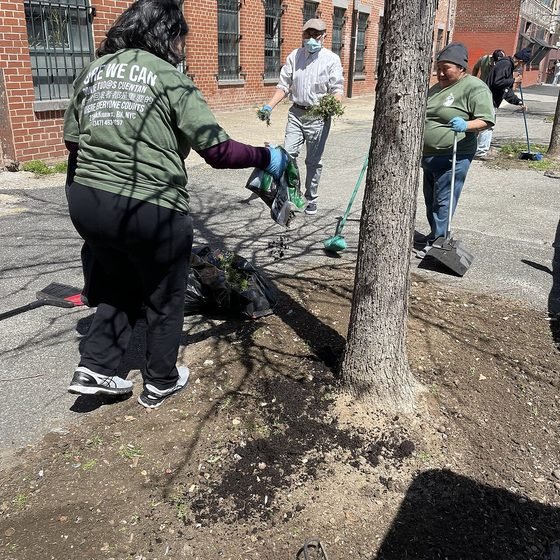
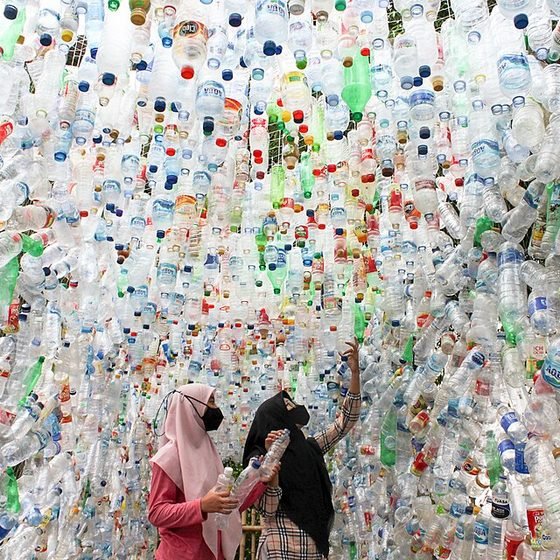
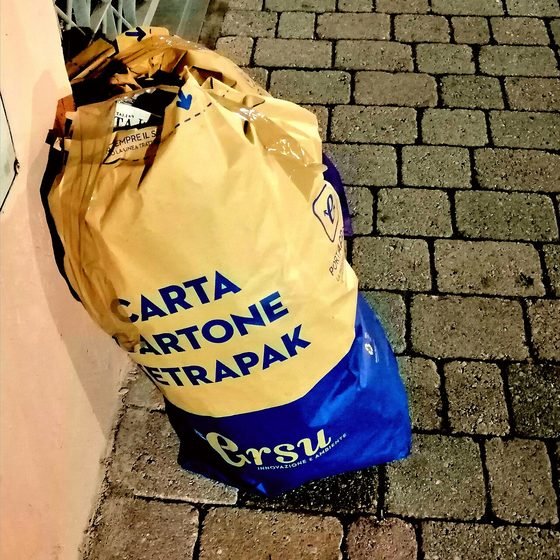
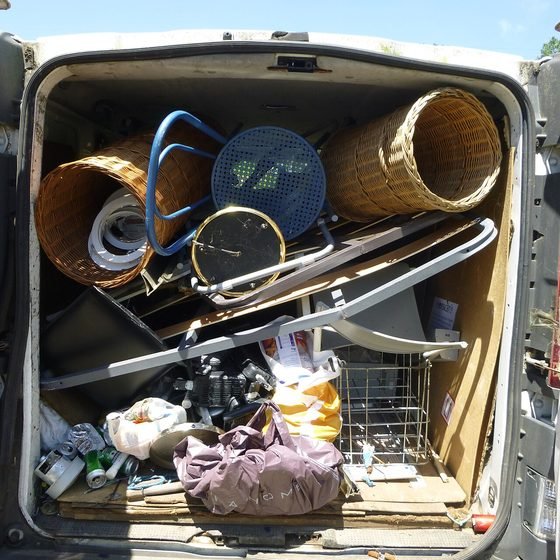
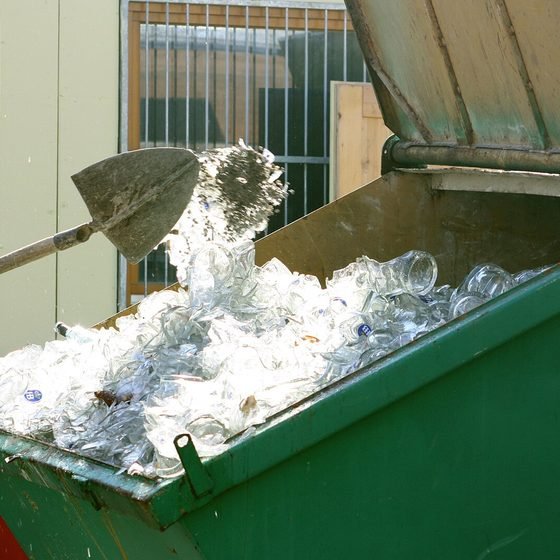
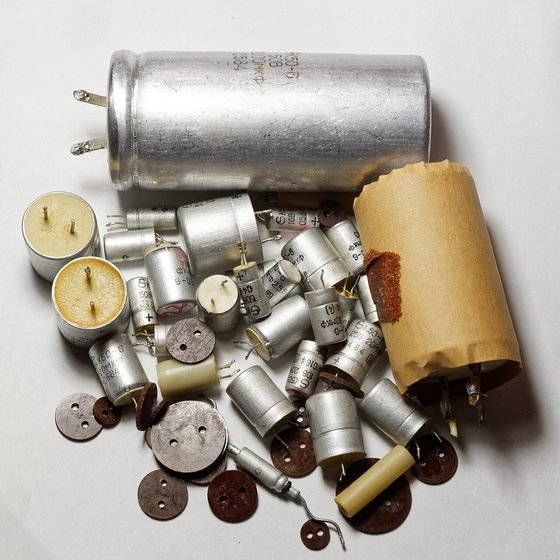
Rates are per kilogram of verified weight. Contaminated loads are graded down or rejected outright — a clean stream is worth materially more than a mixed one, which is why the household app pushes separation at source.
Open the processing consoleGrowth is limited by the plant, not the network
Signing up households is the easy part. The constraint is the digester: organic intake is already running close to its ceiling on peak days, and a second digester is the next thing that has to come online.
The forecast below is the same one the facility console runs on, and it is the reason coverage opens area by area rather than all at once.
See where we operateTwo weeks of verified intake and the capacity projection appears here.