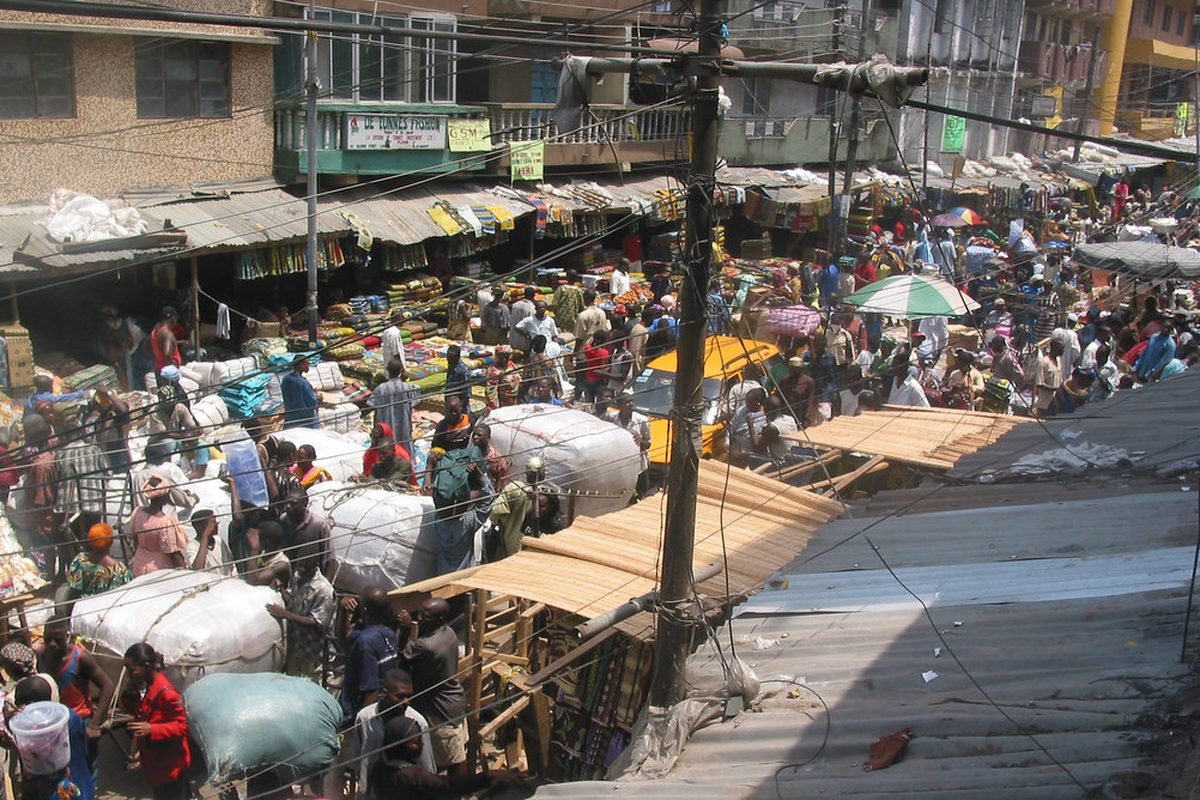
Lagos, Lagos State.
The network runs across twelve areas of Lagos, all of them within collection range of a single processing facility in Ojota. Coverage grows area by area, because route economics only work when households are dense enough to cluster.
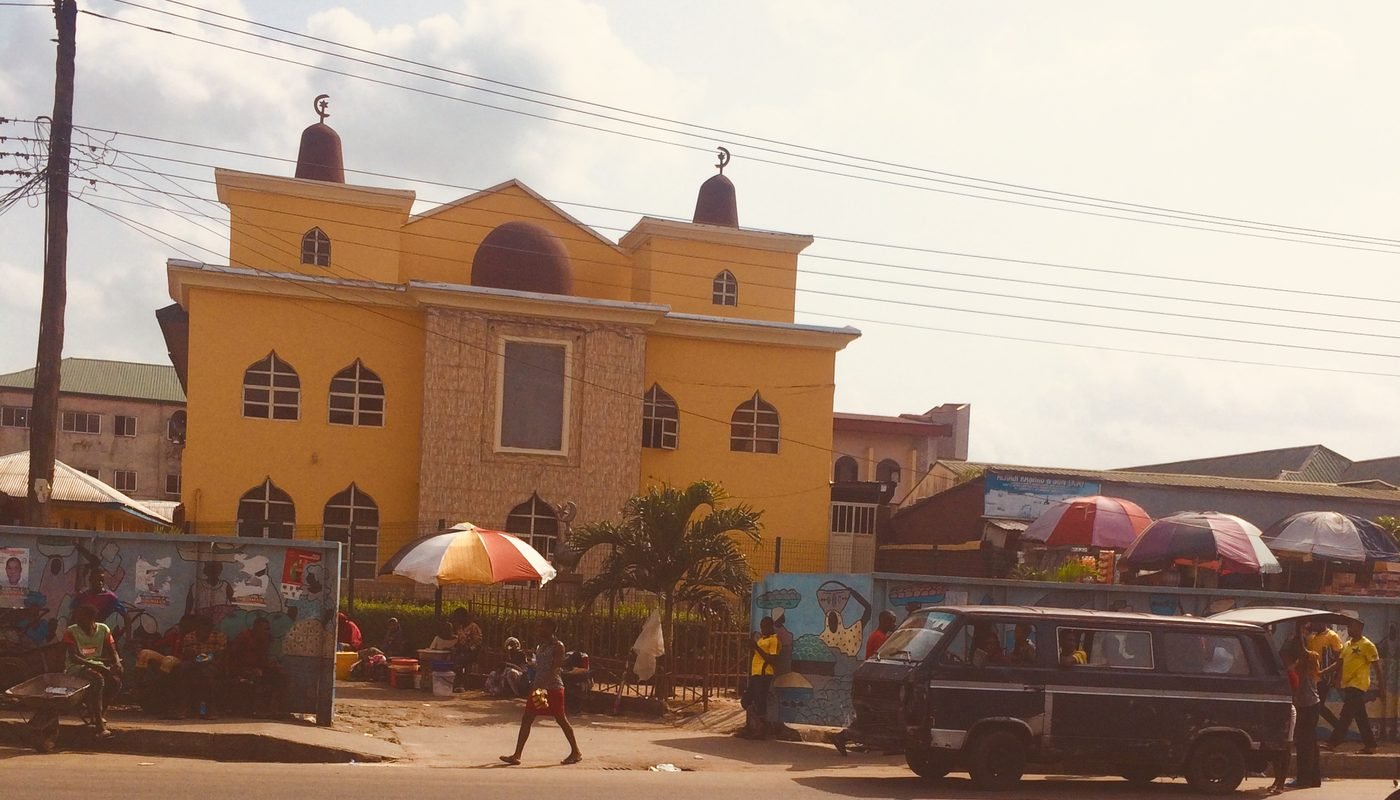
Twelve areas
Everything inside one collection radius
Every household on the network is close enough to Ojota that a tricycle can reach the gate and return within a shift. That constraint is what keeps settlement fast and organic material from spoiling in transit.
EcoCycle Lagos Facility
Plot 14, Ojota Industrial LayoutOjota, Lagos
Lagos State, Nigeria
- Intake
- 06:00 – 18:00, Mon–Sat
- Office
- 08:00 – 17:00, Mon–Fri
- Phone
- 0800 123 4567
- ops@ecocycle.ng
- Coordinates
- 6.57940, 3.37920
Getting here
The gate is on the industrial layout side, not the main road. Agents should approach from the service road and queue at Gate 1 for inbound weighing. Outbound loads leave through Gate 3.
Collection volume by area, last 30 days
| Area | Households | Volume, 30 days | Growth | Share of network | Status |
|---|---|---|---|---|---|
| Ikeja | 14 | 0.0 kg | — |
0.0% of network
|
Opening |
| Ikoyi | 14 | 0.0 kg | — |
0.0% of network
|
Opening |
| Agege | 14 | 0.0 kg | — |
0.0% of network
|
Opening |
| Yaba | 14 | 0.0 kg | — |
0.0% of network
|
Opening |
| Ilupeju | 14 | 0.0 kg | — |
0.0% of network
|
Opening |
| Magodo | 14 | 0.0 kg | — |
0.0% of network
|
Opening |
| Mushin | 13 | 0.0 kg | — |
0.0% of network
|
Opening |
| Maryland | 13 | 0.0 kg | — |
0.0% of network
|
Opening |
| Ikorodu | 13 | 0.0 kg | — |
0.0% of network
|
Opening |
| Oshodi | 13 | 0.0 kg | — |
0.0% of network
|
Opening |
| Surulere | 13 | 0.0 kg | — |
0.0% of network
|
Opening |
| Ketu | 13 | 0.0 kg | — |
0.0% of network
|
Opening |
Lagos first, and properly
There is no second city on the roadmap until the digester constraint at Ojota is solved and every one of the twelve current areas is running above 70% household participation. Spreading thin is how networks like this fail.
Density is the whole business. A route that collects 40 households in three kilometres pays everybody; the same route spread over fifteen kilometres pays nobody.